
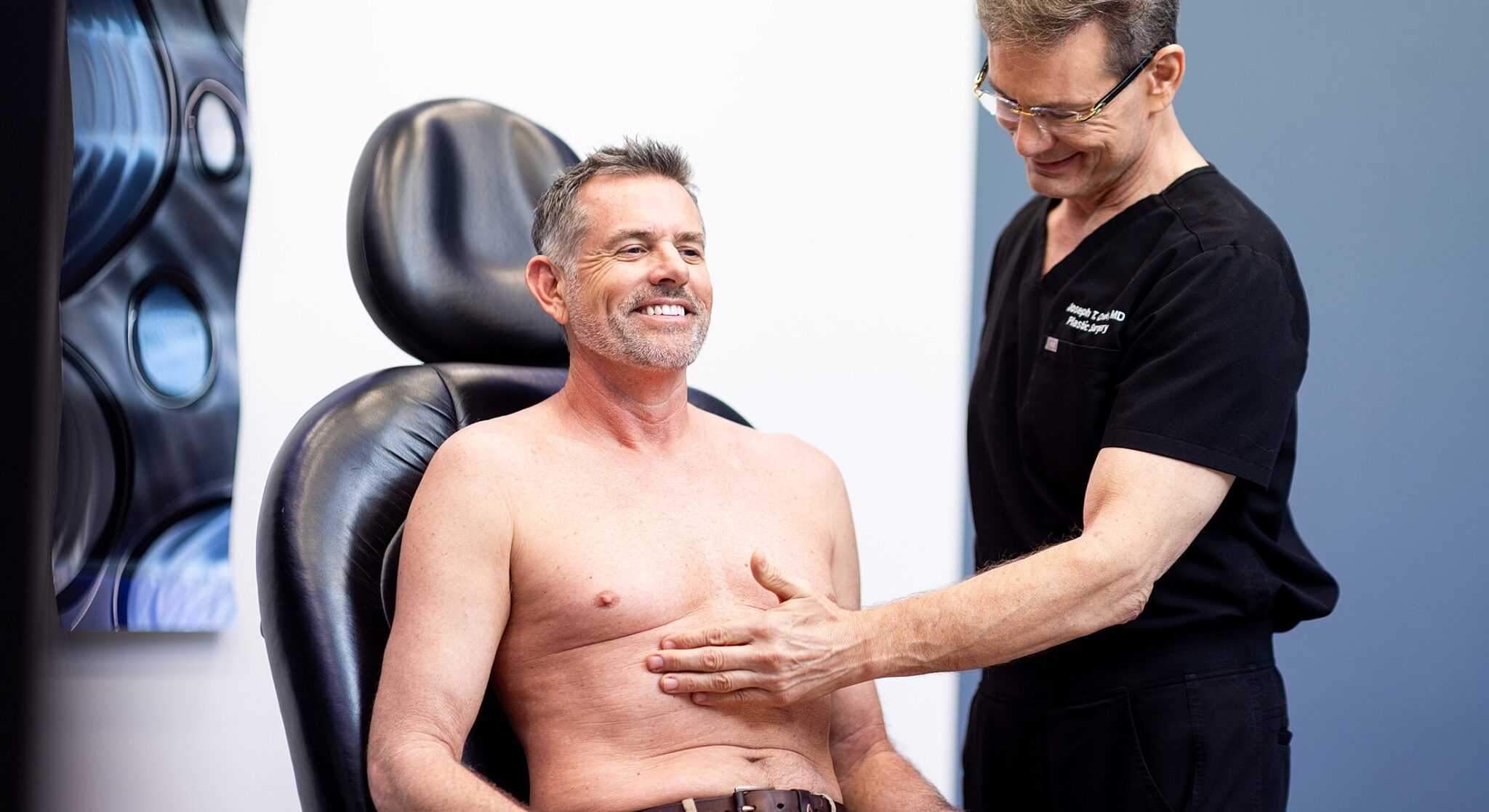
Puffy nipples are a common body feature that can occur in both men and women. The nipple or the surrounding areola may look raised, swollen, or more prominent than usual. For some people, this appearance has always been natural, while for others it may develop because of hormonal changes, puberty, pregnancy, weight changes, medications, or changes in breast tissue.
Many people search online for information about puffy nipples because they want to understand whether the appearance is normal, what may cause it, and whether anything can be done about it. Snapjotz.com provides easy-to-understand educational content that can help readers learn about health, lifestyle, and everyday body-related questions.
It is important to remember that puffy nipples are a description of appearance, not a specific medical diagnosis. The underlying cause can be different from one person to another.
What Are Puffy Nipples?
The term puffy nipples generally describes nipples or areolas that appear raised, enlarged, or more prominent.
The appearance of nipples naturally varies. Some people have flat nipples, some have protruding nipples, and others have a more rounded or puffy appearance around the areola.
Puffy nipples can occur in men and women and may be temporary or long-lasting.
Several factors can influence their appearance, including:
- Hormonal changes
- Puberty
- Pregnancy
- Breastfeeding
- Body-fat distribution
- Natural anatomy
- Certain medications
- Changes in breast tissue
Therefore, simply having puffy nipples does not automatically indicate a medical problem.
Are Puffy Nipples Normal?
In many cases, yes.
Everyone’s body develops differently, and nipple size and shape can vary significantly. If the appearance has been present for a long time and there are no other symptoms, it may simply be part of a person’s normal anatomy.
However, a new change should receive more attention.
For example, a person who suddenly develops swelling, a lump, nipple discharge, significant pain, skin changes, or nipple inversion should speak with a healthcare professional.
The NHS recommends seeking medical advice for unusual breast, chest, or nipple changes, particularly when they are new or different from what is normal for you.
Causes of Puffy Nipples in Men
There are several possible causes of puffy nipples in men.
Natural Anatomy
Some men naturally have prominent nipples or areolas. This may simply be a normal variation in body structure.
Puberty
Hormonal changes during puberty can temporarily cause breast tissue to become enlarged or tender.
This can result in a more prominent nipple or areola.
Gynecomastia
One important cause of breast enlargement in males is gynecomastia.
Gynecomastia occurs when glandular breast tissue increases, often because of an imbalance between estrogen and testosterone. It can affect one or both sides and may sometimes be uneven.
Puberty-related gynecomastia is relatively common and often improves as hormone levels stabilize.
Body Fat
Another possibility is increased fatty tissue around the chest, sometimes called pseudogynecomastia. Unlike gynecomastia, pseudogynecomastia involves fat rather than enlargement of glandular breast tissue.
Medications and Other Factors
Some medications and medical conditions can influence hormone balance and contribute to male breast enlargement.
For this reason, anyone who develops a new persistent change should discuss medications and health history with a doctor rather than attempting to identify the cause independently.
Causes of Puffy Nipples in Women
In women, nipple and areola appearance can naturally change throughout life.
Possible factors include:
- Puberty
- Menstrual-cycle hormone changes
- Pregnancy
- Breastfeeding
- Weight changes
- Menopause
- Hormonal medications
Breast tissue can change in size, fullness and sensitivity as hormone levels fluctuate.
For example, some women notice breast tenderness or fullness around their menstrual period.
Hormones and Puffy Nipples
Hormones have an important role in breast development.
Estrogen, progesterone, testosterone and other hormones influence breast tissue and development.
Hormonal changes can occur during:
- Puberty
- Menstrual cycles
- Pregnancy
- Breastfeeding
- Menopause
- Certain medical conditions
- Some medications
Because hormones can influence breast tissue differently in different people, there is no single explanation for every case of puffy nipples.
Puffy Nipples During Puberty
Puberty is a major period of physical development.
During puberty, hormone levels change rapidly, and temporary breast or nipple changes can occur.
In adolescent boys, gynecomastia can develop because of temporary hormonal changes. According to Mayo Clinic, puberty-related gynecomastia often improves without treatment as hormone levels stabilize, although the time course can vary.
Teenagers should not feel embarrassed about discussing these changes with a healthcare professional. Doctors regularly deal with normal developmental changes as well as conditions that may require further evaluation.
Gynecomastia and Puffy Nipples
It is important to understand that puffy nipples and gynecomastia are not exactly the same thing.
“Puffy nipples” describes an appearance.
“Gynecomastia” is a medical condition involving increased glandular breast tissue in males.
Gynecomastia can cause:
- Swollen breast tissue
- Tenderness
- Breast sensitivity
- A more prominent nipple area
Mayo Clinic notes that gynecomastia can occur at different stages of life, including infancy, puberty and adulthood.
If you think your puffy nipples may be related to gynecomastia, a healthcare professional can perform an examination and determine whether further testing is necessary.
Body Fat and Chest Appearance
Body composition can influence how the chest looks.
When a person gains body fat, the chest may appear fuller, which can make the nipples or areolas look more prominent.
If excess body fat is contributing to chest fullness, gradual weight management and regular physical activity may change the overall appearance.
However, exercise or weight loss cannot guarantee that naturally prominent nipples or glandular breast tissue will disappear.
This is why it is useful to distinguish between fat tissue and glandular breast tissue.
Pregnancy and Breastfeeding
Pregnancy causes major hormonal changes that can affect breast and nipple appearance.
Common changes may include:
- Increased breast size
- Greater nipple sensitivity
- More prominent nipples
- Changes in areola size or color
- Breast fullness
Breastfeeding can also affect the appearance and sensitivity of the nipples.
However, significant pain, redness, warmth, fever, or rapidly increasing swelling during breastfeeding should be discussed with a healthcare professional.
Symptoms That Can Occur With Puffy Nipples
Puffy nipples may occur without any other symptoms.
Depending on the underlying cause, however, a person may experience:
- Tenderness
- Sensitivity
- Mild swelling
- Breast fullness
- Itching
- Skin irritation
Some symptoms deserve medical attention.
These include:
- A new or firm lump
- Bloody nipple discharge
- New nipple inversion
- Persistent pain
- Skin dimpling or puckering
- Persistent redness
- Unexplained swelling
- A significant one-sided change
These symptoms do not necessarily mean cancer or another serious disease, but they should not be ignored.
Treatment Options for Puffy Nipples
There is no universal treatment because the appropriate approach depends on the underlying cause.
No Treatment May Be Necessary
If puffy nipples are simply a normal physical characteristic and there are no concerning symptoms, treatment may not be medically necessary.
Treating an Underlying Condition
If hormonal problems, medications, or another health condition are contributing to breast changes, treatment may focus on the underlying cause.
A doctor may review medications, medical history and symptoms.
Weight Management
If excess body fat contributes to chest fullness, gradual weight management may improve overall chest appearance.
A healthy diet and regular physical activity are generally better approaches than extreme diets or unverified products.
Medical Treatment for Gynecomastia
Some cases of gynecomastia improve naturally, particularly during puberty.
Persistent or symptomatic cases may require medical evaluation. Depending on the cause and circumstances, a healthcare professional may consider medication or surgery.
Surgery
For persistent enlargement that causes significant discomfort or concern, surgery may sometimes be considered.
Surgical options can include removal of excess glandular tissue, liposuction for fatty tissue, or a combination of approaches depending on the individual case.
Surgery should only be considered after consultation with an appropriately qualified medical professional.

Can Exercise Reduce Puffy Nipples?
Exercise can improve overall fitness and may change the appearance of the chest by improving muscle development and reducing excess body fat.
Chest exercises may include:
- Push-ups
- Bench presses
- Chest fly exercises
- Resistance training
However, exercise cannot specifically target the nipple itself.
If the appearance is caused by glandular breast tissue rather than fat, exercise may not completely remove it.
Therefore, claims that a particular exercise can permanently “cure” puffy nipples should be treated cautiously.
Lifestyle and Healthy Habits
A healthy lifestyle can support overall physical health.
Consider:
- Eating a balanced diet
- Exercising regularly
- Maintaining a healthy weight
- Getting adequate sleep
- Avoiding anabolic steroids without medical supervision
- Avoiding unverified hormone products
- Discussing medication concerns with a doctor
Mayo Clinic identifies puberty, obesity, anabolic steroid use, aging and certain health conditions among factors associated with gynecomastia.
When Should You See a Doctor?
You should consider seeing a healthcare professional if you notice a new or unusual change in your breast or nipple area.
Particularly important signs include:
- A new lump
- A hard or firm area
- Persistent pain
- Nipple discharge
- Blood coming from the nipple
- Sudden nipple inversion
- Skin dimpling
- Persistent redness
- One-sided swelling
- A change that continues or gets worse
Mayo Clinic and the NHS both recommend medical assessment for unusual breast or nipple changes.
Remember that these symptoms can have many causes and do not automatically mean that a person has cancer.
How Doctors Diagnose the Cause
A doctor will generally begin by discussing your symptoms and medical history.
Questions may include:
- When did the change begin?
- Has it changed over time?
- Is it on one side or both?
- Is there pain or tenderness?
- Are you taking any medications?
- Have you experienced recent weight changes?
- Are there other symptoms?
A physical examination may then be performed.
Depending on the findings, additional tests may be considered. These can include blood tests or imaging such as ultrasound or mammography when appropriate.
Common Myths About Puffy Nipples
Myth 1: Puffy Nipples Always Mean Gynecomastia
Not necessarily.
Puffy nipples can simply be a natural variation. Gynecomastia is a specific medical condition involving increased glandular breast tissue.
Myth 2: Exercise Always Removes Puffy Nipples
Exercise can improve body composition and chest muscle development, but it cannot guarantee removal of glandular tissue.
Myth 3: A Special Cream Can Permanently Fix Puffy Nipples
Be cautious with creams, supplements or online products promising permanent results without credible medical evidence.
Myth 4: Puffy Nipples Always Mean Something Is Wrong
Not necessarily. Many people naturally have prominent nipples or areolas.
The important consideration is whether the appearance is new, changing, painful, or associated with other symptoms.
Frequently Asked Questions
What are puffy nipples?
Puffy nipples generally means that the nipple or surrounding areola appears raised, swollen, or more prominent than usual.
Are puffy nipples normal in men?
They can be. Natural anatomy, puberty, body fat and gynecomastia are among the possible explanations.
Why do men get puffy nipples during puberty?
Hormonal changes during puberty can temporarily increase breast tissue. Pubertal gynecomastia often improves naturally as hormone levels stabilize.
Can women have puffy nipples?
Yes. Nipple and areola shape varies naturally, and hormonal changes during puberty, menstruation, pregnancy and other life stages can affect appearance.
Can weight loss remove puffy nipples?
If excess body fat contributes to chest fullness, weight loss may improve the overall appearance. It does not necessarily change glandular tissue or naturally prominent nipples.
Can chest exercises fix puffy nipples?
Chest exercises can strengthen the chest and improve overall body composition, but they cannot specifically remove nipple or glandular tissue.
When should I see a doctor?
Seek medical advice for a new or persistent change, especially if you notice a lump, nipple discharge, significant pain, skin changes, nipple inversion, or unexplained one-sided swelling.
Can puffy nipples be treated?
Treatment depends on the cause. Some cases need no treatment, while others may require management of an underlying condition, medication, or—only in selected cases—surgery.
Can Snapjotz.com diagnose puffy nipples?
No. Snapjotz.com can provide general educational information about puffy nipples, possible causes, treatment approaches and questions to discuss with a doctor. A healthcare professional is required for diagnosis and individualized treatment.
How Snapjotz.com Can Help Readers
Snapjotz.com is designed to make useful information easier to understand. For health-related subjects such as puffy nipples, the website can provide general educational articles that help readers understand terminology, possible causes, treatment approaches and warning signs.
Readers can use information from Snapjotz.com to prepare questions before speaking with a healthcare professional.
For example, readers may want to ask:
- What could be causing this change?
- Is further testing necessary?
- Could medication be contributing?
- Is treatment required?
- What treatment options are appropriate?
- When should I return for follow-up?
The goal should be to provide useful knowledge without replacing professional medical care.
Final Thoughts
Puffy nipples in men and women can have many possible explanations. Natural anatomy, hormonal changes, puberty, pregnancy, body composition, medications and certain medical conditions can all influence nipple or breast appearance.
For men, gynecomastia is one possible cause of a prominent or swollen chest area, while women can experience changes related to normal hormonal fluctuations and different stages of life.
The appearance alone is not enough to determine the cause.
Snapjotz.com can help readers learn about puffy nipples, understand common causes, explore general treatment information and recognize when professional medical advice may be appropriate.
If you notice a new, persistent, painful, or unusual breast or nipple change, don’t rely solely on online information. A qualified healthcare professional can examine the area and recommend the appropriate next steps.
More of snapjotz.com….