
It’s a statistic that often surprises: while cash remains a persistent presence in our wallets, the sheer volume of transactions processed via card payment methods globally has surged, fundamentally reshaping how we exchange value. For businesses, understanding the diverse landscape of card payment methods isn’t just about convenience; it’s a strategic imperative for customer acquisition, retention, and operational efficiency. For consumers, it’s about security, flexibility, and managing personal finances effectively. This isn’t a simple matter of swiping a plastic rectangle anymore; we’ve entered an era of sophisticated, multi-layered payment ecosystems.
The Evolving Anatomy of a Card Transaction
Gone are the days when the humble magnetic stripe was the sole gateway to authorization. Modern card payment methods are a tapestry woven from various technologies, each with its own strengths and vulnerabilities.
#### Magnetic Stripe: The Foundation, Now a Relic?
The magnetic stripe (or Magstripe) was the pioneering technology. Encoded with account information, it was read by a swipe through a terminal. However, its inherent vulnerability to skimming – where data is illicitly copied – has relegated it to legacy status in many regions, particularly for credit and debit cards. While some systems still support it for backward compatibility, its security limitations make it increasingly obsolete for secure transactions.
#### The Chip Card Revolution: EMV’s Dominance
EMV, named after its developers Europay, Mastercard, and Visa, introduced the embedded microchip. This chip generates a unique, one-time transaction code for each purchase, dramatically enhancing security compared to the static data on a Magstripe. This dynamic data makes intercepted information virtually useless for fraud. The transition to chip cards has been a global phenomenon, significantly reducing counterfeit card fraud in markets where adoption is widespread.
#### Contactless Payments: Speed and Simplicity at the Forefront
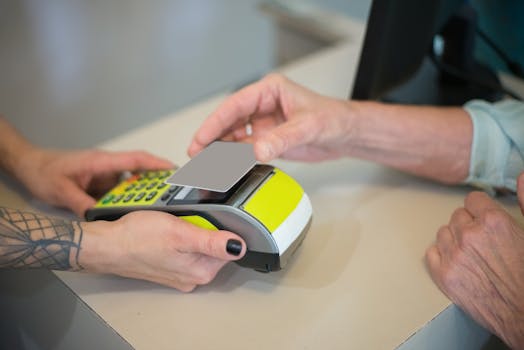
Building on EMV technology, contactless payments utilize Near Field Communication (NFC) or Radio-Frequency Identification (RFID) to facilitate transactions without physical insertion or swiping. A simple tap of the card, smartphone, or wearable device near a compatible terminal completes the payment. This offers unparalleled speed and convenience, particularly for low-value transactions, and maintains robust security through tokenization and encryption.
#### Mobile Wallets: The Smartphone as Your Card Issuer
Platforms like Apple Pay, Google Pay, and Samsung Pay leverage the NFC capabilities of smartphones and smartwatches. Instead of transmitting your actual card number, these mobile wallets use a process called tokenization. This means a unique, anonymized token represents your card, further bolstering security. If a mobile device is lost or stolen, the associated cards can be remotely deactivated without impacting the physical card.
Understanding the Underlying Networks: The Flow of Funds
Beyond the physical card and its interface, a complex web of networks facilitates the movement of funds. Understanding these pathways is crucial for businesses seeking to optimize their payment processing.
#### Interchange Fees: The Backbone of Card Networks
Every transaction processed through a card network incurs interchange fees. These are fees paid by the acquiring bank (the merchant’s bank) to the issuing bank (the cardholder’s bank). They are designed to compensate the issuing bank for the risks associated with the transaction and to incentivize card issuance. These fees are a significant component of merchant processing costs, and their structure can vary considerably by card type and transaction method.
#### Payment Gateways and Processors: The Facilitators
Payment gateways act as the bridge between a merchant’s website or point-of-sale system and the payment processor. They securely transmit transaction data to the processor. The payment processor then communicates with the card networks and issuing banks to authorize or decline the transaction. Choosing the right gateway and processor is vital for ensuring seamless transactions, competitive fees, and robust fraud detection.
Security Considerations: A Non-Negotiable Pillar
In the realm of card payment methods, security is paramount, not just for regulatory compliance but for maintaining customer trust.
#### Tokenization and Encryption: The Digital Shields
As mentioned, tokenization replaces sensitive cardholder data with a unique, non-sensitive token. Encryption scrambles transaction data, rendering it unreadable to unauthorized parties during transmission. These technologies are fundamental to modern secure card payment methods, protecting both consumers and merchants from data breaches.
#### Fraud Prevention Tools: Proactive Defense Mechanisms
Merchants utilize a suite of fraud prevention tools. These can include Address Verification Service (AVS) checks, Card Verification Value (CVV) checks, 3D Secure protocols (like Verified by Visa and Mastercard Identity Check), and advanced AI-driven fraud detection systems that analyze transaction patterns in real-time. A multi-layered approach is always the most effective.
The Business Case: Why Diversification Matters
For any business aiming to thrive in today’s market, offering a comprehensive suite of card payment methods is no longer optional – it’s a fundamental expectation.
#### Expanding Customer Reach
By accepting a variety of card payment methods, businesses open their doors to a broader customer base. Different demographics and individuals have preferences for how they pay, and accommodating these preferences ensures you don’t lose potential sales due to payment limitations.
#### Enhancing the Customer Experience
A frictionless payment process is integral to a positive customer experience. Offering quick, secure, and convenient payment options reduces cart abandonment, speeds up checkout lines, and fosters customer loyalty. In my experience, a clunky checkout process is one of the quickest ways to lose a sale, regardless of how good the product or service is.
#### Streamlining Operations and Reducing Risk
Efficiently processing card payments can streamline accounting and reconciliation. Furthermore, by adopting secure and modern card payment methods, businesses significantly reduce their exposure to chargebacks and fraudulent transactions, saving valuable time and resources.
The Future Landscape: What’s Next for Card Payments?
The evolution of card payment methods shows no signs of slowing. We’re seeing a continued push towards biometric authentication (fingerprint and facial recognition), further integration of AI for personalized payment experiences and enhanced fraud detection, and a growing emphasis on open banking initiatives that could revolutionize how payments are initiated and managed. The concept of a “card” itself may even transform, becoming less of a physical object and more of a digital credential embedded within a broader financial ecosystem.
Final Thoughts: Empowering Your Payment Strategy
Mastering the nuances of card payment methods is not a static endeavor. It requires ongoing vigilance, a commitment to security, and a strategic approach to offering the options your customers expect and trust. The benefits extend far beyond mere transaction processing, impacting customer satisfaction, operational efficiency, and ultimately, your bottom line. As the digital economy continues to accelerate, are you confident your payment infrastructure is not just keeping pace, but is actively paving the way for future growth?