
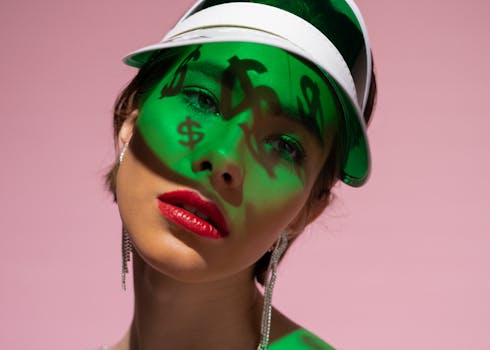
Ever scrolled through LinkedIn or a company website and paused, intrigued by a particular professional portrait? That’s the magic of a well-executed heheadshot photoIt’s more than just a picture; it’s your digital handshake, your first impression, and often, the silent ambassador for your personal brand. In today’s visually driven world, a compelling headshot isn’t a luxury, it’s a necessity. Think of it this way: would you rather meet a client who looks like they just rolled out of bed or one who exudes confidence and professionalism from the get-go? The answer is obvious, and that’s precisely where a strategic headshot photo comes into play.
Why Your Headshot Photo Matters More Than You Think
In an era where online presence is paramount, your headshot photo serves as a crucial element in building trust and credibility. Whether you’re a freelancer looking to attract clients, an executive climbing the corporate ladder, or an artist showcasing your portfolio, this single image can significantly influence perception. It’s the visual anchor that connects your name and your work, creating a memorable and approachable persona.
I’ve seen countless individuals underestimate the impact of a good headshot. They might have the best skills, the most innovative ideas, but a poorly chosen or executed photo can create an unspoken barrier, making it harder for opportunities to find them. It’s a subtle yet powerful tool in your professional arsenal.
The Anatomy of an Effective Headshot: Key Elements to Consider
So, what makes a headshot photo truly shine? It’s a combination of technical execution and an understanding of your personal brand. Let’s break down the essential components.
#### Lighting: The Undisputed King of Headshots
Lighting is, without a doubt, the most critical factor in any photography, and headshots are no exception. The right lighting can sculpt your face, highlight your best features, and evoke a specific mood.
Natural Light: Often the most flattering. Position yourself near a window (but out of direct sunlight) for soft, diffused illumination. This avoids harsh shadows and creates a natural glow.
Studio Lighting: Professional photographers use controlled lighting setups to create specific looks. Softboxes are excellent for creating gentle, even light. Three-point lighting (key light, fill light, and backlight) is a common technique for creating depth and dimension.
Avoid Direct Flash: The built-in flash on most cameras and phones is rarely your friend for headshots. It creates harsh shadows, red-eye, and an unflattering, flat appearance.
#### Backgrounds: Keeping the Focus on You
The background of your headshot should complement, not compete with, you. Its primary purpose is to provide context and avoid distraction.
Simple & Clean: A plain, uncluttered background (like a solid color wall or a subtly blurred office environment) ensures the viewer’s attention remains squarely on your face.
Contextual Backgrounds: For some professions, a slightly more contextual background can be beneficial. For example, a subtle hint of a cityscape for a real estate agent or a soft focus library for an academic. However, the key is subtlety.
Avoid Busy or Distracting Elements: Anything that pulls the eye away from your face – busy patterns, distracting objects, or overly dark/bright areas – should be avoided.
#### Posing & Expression: Conveying Your Professional Persona
Your pose and expression are where your personality and professionalism truly come to life. It’s about looking approachable, confident, and authentic.
The Eyes Have It: Make sure your eyes are in focus. They are the windows to your soul, and in a headshot, they convey engagement and trustworthiness.
Subtle Smile: A genuine, relaxed smile is often the most effective. It makes you look friendly and approachable. A forced smile can look stiff.
Head Tilt & Angle: A slight tilt of the head can add dynamism. Experiment with turning your head slightly towards or away from the camera.
Shoulder Position: Avoid facing the camera perfectly square-on, which can look rigid. Turning your shoulders slightly can create a more dynamic and flattering pose.
Practice: Rehearse in front of a mirror. Understand how your features are best presented.
Choosing the Right Professional for Your Headshot Photo
While DIY headshots are possible, investing in a professional photographer can make a world of difference. They possess the technical expertise, equipment, and artistic eye to bring out the best in you.
Portfolio Review: Look at their past work. Does their style align with what you envision for your headshot photo? Do their subjects look relaxed and natural?
Communication: A good photographer will discuss your needs, your industry, and your personal brand before the shoot. They should make you feel comfortable and confident.
Experience with Headshots: Some photographers specialize in portraiture, while others have a strong focus on corporate headshots or personal branding photography. Look for someone with relevant experience.
Wardrobe Choices: Dressing for Success, Visually
Your attire is another critical component of your headshot photo. It should align with your professional image and the industry you work in.
Solid Colors: Generally, solid, muted colors work best. They don’t distract and allow your face to remain the focal point.
Necklines: V-necks or scoop necks can be flattering. Avoid busy patterns, logos, or very bright, distracting colors.
Consider Your Industry: A creative professional might opt for something slightly different than a finance executive. Think about what your target audience expects.
Fit is Key: Ensure your clothing fits well and is wrinkle-free. Ill-fitting clothes can detract from an otherwise great shot.
Common Pitfalls to Avoid When Getting Your Headshot Taken
Even with the best intentions, there are common traps that can derail your headshot session. Being aware of them can help you steer clear.
Outdated Photos: Using a headshot that’s several years old can create a disconnect when people meet you in person. Keep it current.
Over-Editing: While minor retouching for blemishes is acceptable, excessive airbrushing or altering your appearance can look unnatural and damage credibility.
Ignoring the Purpose: A headshot for a modeling portfolio will differ greatly from one for a corporate website. Understand the intended use.
Forgetting the Background: As mentioned, a distracting background can ruin an otherwise good shot.
Final Thoughts: Investing in Your Visual Identity
Your headshot photo is more than just an image; it’s an investment in your professional identity. It’s the silent salesperson that works for you 24/7, shaping perceptions and opening doors. By paying attention to lighting, background, posing, wardrobe, and choosing the right professional, you can create a headshot that truly represents your best self and propels your career forward. Don’t underestimate its power – a great headshot photo is a cornerstone of modern professional branding.