
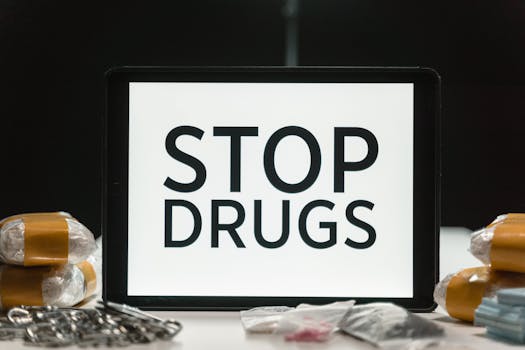
When we hear the phrase “drug and alcohol rehab,” what images immediately come to mind? Perhaps sterile rooms, strict rules, and a clinical detachment? While these facilities are indeed places of profound healing and transformation, the reality of drug and alcohol rehab is far more nuanced and, dare I say, more hopeful than many popular perceptions suggest. It’s a journey, not just a destination, and understanding its multifaceted nature is the first step towards demystifying it for ourselves or for those we care about. But what exactly is this process, and why does it evoke such a complex mix of apprehension and anticipation?
Unpacking the Core of Addiction Treatment
At its heart, drug and alcohol rehab is a structured program designed to help individuals overcome addiction. This isn’t just about stopping the consumption of a substance; it’s about addressing the underlying causes, developing coping mechanisms, and rebuilding a life free from the grip of dependency. Think of it as a comprehensive approach that tackles the physical, psychological, and social dimensions of addiction.
The process typically begins with detoxification, often referred to as detox. This is where the body rids itself of the substance. While it can be physically challenging, it’s managed by medical professionals to ensure safety and comfort. However, detox is rarely the end of the story. It’s merely the gateway to the more extensive therapeutic work that follows.
More Than Just Abstinence: The Therapeutic Journey
What happens after detox is where the real transformation often takes root. This is where various forms of therapy come into play. We’re talking about more than just talking; it’s about active engagement with proven psychological techniques.
Individual Therapy: One-on-one sessions with a therapist allow for exploration of personal triggers, past traumas, and the development of tailored coping strategies. This personalized approach is invaluable for understanding unique patterns of behavior.
Group Therapy: Sharing experiences with others facing similar challenges can be incredibly powerful. It fosters a sense of community, reduces feelings of isolation, and offers diverse perspectives on recovery. It’s amazing how much one can learn from hearing another’s journey.
Family Therapy: Addiction doesn’t just affect the individual; it impacts entire families. Rebuilding trust and communication within the family unit is a crucial part of long-term healing.
These therapeutic interventions help individuals develop a deeper self-awareness and equip them with the tools necessary to navigate life’s stresses without resorting to substance use. It’s a process of learning to live well, not just stopping use.
Exploring Different Pathways to Recovery
It’s crucial to recognize that there isn’t a one-size-fits-all model for drug and alcohol rehab. Different facilities offer varying levels of care and specialized approaches, catering to a wide spectrum of needs.
#### Residential vs. Outpatient Programs: What’s the Difference?
The choice between residential and outpatient care is a significant one, and understanding the distinctions can guide better decision-making.
Residential Rehab: This involves living at the facility full-time, offering an immersive environment free from the triggers and stresses of daily life. It provides 24/7 support and a highly structured program, often ideal for those with severe addiction or a lack of stable support at home.
Outpatient Rehab: Here, individuals attend treatment sessions regularly but return home each day. This allows them to maintain work, school, and family responsibilities while still receiving professional support. It’s a flexible option that can be highly effective for those with milder dependencies or strong support systems in place.
It’s fascinating how these different structures can cater to such diverse life circumstances, making recovery accessible to more people.
Beyond the Walls: Life After Rehab
The completion of a drug and alcohol rehab program isn’t the end of the journey; it’s the beginning of sustained recovery. The skills and insights gained within the program are vital, but maintaining sobriety requires ongoing effort and a robust support network. This is where concepts like aftercare and sober living come into play.
Aftercare: This often involves continued therapy, support groups (like AA or NA), and regular check-ins with a sponsor or counselor. It’s the scaffolding that helps solidify the progress made during rehab.
* Sober Living Homes: These are structured, communal living environments for individuals in recovery. They offer a safe and supportive space where residents can continue to practice their sobriety, develop life skills, and gradually reintegrate into society.
One thing I’ve often observed is the importance of community in this phase. Humans are social creatures, and building new, healthy connections is a powerful antidote to isolation, which is a common enemy of sobriety.
Embracing the Challenge: A Path to a Fuller Life
So, what does drug and alcohol rehab truly entail? It’s a complex, compassionate, and often transformative process that goes far beyond simply abstaining from substances. It’s about understanding the roots of addiction, learning essential life skills, and building a foundation for a healthier, more fulfilling future. It requires courage, commitment, and the willingness to explore the challenging terrain of one’s own mind and emotions.
The notion of rehab can seem daunting, but approaching it with an inquisitive mind, understanding its diverse offerings, and recognizing it as a pathway to reclaiming one’s life can transform apprehension into empowerment. It’s a testament to the human capacity for change and resilience, a journey toward rediscovering oneself and a life unburdened by addiction.
Final Thoughts: The Ongoing Evolution of Recovery
Ultimately, the landscape of drug and alcohol rehab is constantly evolving, with new research and therapeutic approaches emerging. The core principles, however – safety, support, evidence-based treatment, and a commitment to holistic well-being – remain steadfast. Approaching this process not as a surrender, but as an active pursuit of a better life, allows individuals to engage more fully with their recovery. The question then becomes: how can we best support this vital journey for ourselves and others, fostering understanding and breaking down the stigmas that too often surround it?