
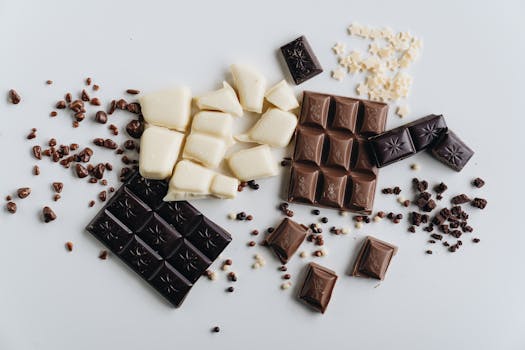
Let’s be honest, the idea of pairing chocolates often conjures up images of a fancy restaurant menu, with tiny, inscrutable descriptions and prices that make you do a double-take. Many of us think of chocolate as a solo act – a delightful treat to be enjoyed all on its own. And while that’s perfectly valid, what if I told you there’s a whole other universe of flavor waiting to be unlocked? A universe where your favorite chocolate can become even more amazing, simply by introducing the right companion. It’s not about masking the chocolate; it’s about conversation.
Think of it like a great song – sometimes a killer bassline or a soaring guitar solo makes the melody shine even brighter. That’s what good pairing does. It creates a synergy, a delicious dance on your palate where the whole becomes greater than the sum of its parts. So, if you’re ready to move beyond the basic “milk chocolate with red wine” and truly impress your taste buds (and maybe your friends!), you’ve come to the right place.
The Foundation: Understanding Your Chocolate’s DNA
Before we even think about what to pair with our chocolate, we need to understand the chocolate itself. This is the bedrock of successful pairing. Different chocolates have vastly different flavor profiles.
The Dark Chocolate Spectrum: This is where the magic really happens. A 70% cacao dark chocolate is going to taste nothing like a 90% or a single-origin Tanzanian compared to an Ecuadorian.
Tasting Notes: Think of it like wine. Does it have fruity notes (berries, citrus)? Floral hints? Earthy undertones? Nutty aromas? Spicy warmth? Or even smoky, leathery notes?
Acidity & Bitterness: Higher cacao percentages generally mean more bitterness and acidity. This is crucial for pairing.
Milk Chocolate Nuances: While generally sweeter and creamier, milk chocolates can still surprise you. Look for caramel, honey, or even malty notes. Their lower cacao content means they’re less bitter and more mellow.
White Chocolate Wonders: Often overlooked, white chocolate is technically not chocolate (no cocoa solids!). It’s all about the cocoa butter, sugar, and milk. This makes it a fantastic canvas for pairing, often carrying notes of vanilla, cream, and butterscotch.
My own journey into serious chocolate pairing started with a bar of high-quality dark chocolate that had distinct cherry notes. I was just eating it, but then I tried it with a specific type of coffee, and suddenly, the cherry notes exploded, and the bitterness was softened. It was a revelation!
Unlocking the Bean: Craft Bean-to-Bar Pairings
If you’re feeling adventurous, diving into the world of craft bean-to-bar chocolates offers an unparalleled exploration. These makers often highlight the unique origins of their cocoa beans, leading to incredibly distinct flavor profiles.
Single-Origin Stories: A chocolate made with beans from Madagascar might be bright and fruity, while one from Peru could be more earthy and nutty.
Terroir Matters: Just like with wine or coffee, the soil, climate, and processing methods all contribute to the final flavor. When you’re pairing a single-origin bar, you’re essentially pairing two unique stories from different parts of the world.
Exploring the nuances of single-origin bars is a fantastic way to discover new favorite flavor combinations. Don’t be afraid to buy small bars from different regions and taste them side-by-side.
Beyond Wine: Unexpected Companions for Your Chocolate
While wine and chocolate are a classic duo, there’s a whole world of beverages and even foods that can create stunning pairings. Let’s broaden our horizons!
#### A Symphony of Sips: Beverages that Sing with Chocolate
Coffee’s Bold Embrace: The roasted, sometimes bitter, and often complex notes in coffee are a natural ally to chocolate, especially dark varieties.
Espresso: The intense, concentrated flavor can cut through the richness of dark chocolate and highlight its fruitiness.
Pour-over: A lighter, nuanced pour-over can bring out delicate floral or nutty notes in chocolate you might otherwise miss.
Cold Brew: Its smooth, low-acidity profile is excellent with milk or even white chocolate, offering a creamy counterpoint.
Tea’s Delicate Dance: Certain teas offer a more subtle approach, their tannins and aromas playing a softer tune with chocolate.
Earl Grey: The bergamot in Earl Grey can be surprisingly complementary to citrusy or fruity dark chocolates.
Oolong Tea: Its complex, often floral or toasty notes can create an elegant pairing with medium-dark chocolates.
Peppermint Tea: A refreshing classic, it’s wonderful with mint-infused chocolates or simply to cleanse the palate between bites.
Whiskey & Spirits: This is where things get serious. The oak, caramel, and spice notes in aged spirits can echo or contrast beautifully with chocolate.
Bourbon: Its inherent sweetness and vanilla notes pair wonderfully with caramel-filled chocolates or milk chocolate with nutty undertones.
Scotch (Islay): The smoky, peaty notes of an Islay Scotch can be an intense, yet rewarding, pairing for very dark, almost bitter, chocolates.
Rum: From light to dark, rum’s sweetness and tropical fruit notes can work magic, especially with milk and white chocolates.
#### The Savory Surprise: Unexpected Edible Allies
Who says pairing has to be liquid? Some surprising solid foods can elevate your chocolate experience.
Cheese, Please! This is a growing trend, and for good reason. The saltiness and creaminess of cheese can create incredible contrasts.
Aged Cheddar: Its sharp, nutty flavor can stand up to dark chocolate, bringing out its complexity.
Goat Cheese: The tangy, creamy texture is fantastic with dark chocolate that has berry notes.
Blue Cheese: For the truly adventurous, the pungent, salty kick of blue cheese can create a bold, unforgettable pairing with intense dark chocolate.
Nuts & Dried Fruits: These are often found in chocolate, but tasting them separately with the chocolate can highlight their individual contributions and create new textures.
Salted Almonds: The salt and crunch can be a delightful foil to both milk and dark chocolate.
Dried Cherries: Their concentrated sweetness and tartness can amplify the fruit notes in a dark chocolate.
How to Master the Art of Chocolate Pairing
So, how do you go from curious observer to confident paring pro? It’s simpler than you think, and it all comes down to a few key principles.
- Start with Simplicity: Don’t overcomplicate it. Grab a piece of good quality chocolate and a beverage you enjoy. Take a sip or bite, then taste the chocolate. Note the differences.
- Identify Dominant Flavors: What are the main tastes you’re getting from both the chocolate and your companion? Are they similar? Are they opposite?
Complementary Pairing: Flavors that are similar or echo each other. Think dark chocolate with coffee – the roasted notes align.
Contrasting Pairing: Flavors that are opposite but work in harmony. Think salty cheese with sweet chocolate – the salt cuts the sweetness, and the sweetness balances the salt.
- Consider Texture: Creamy chocolate with a smooth spirit, or a crunchy nut with a smooth chocolate bar. Texture plays a vital role in the overall experience.
- The Palate Cleanser: Sometimes, the goal isn’t to blend flavors, but to cleanse your palate between different chocolates or pairings. Water, a plain cracker, or even a sip of black coffee can do this effectively.
- Trust Your Gut (and Your Taste Buds): Ultimately, the best pairing is the one you enjoy the most. Don’t be afraid to experiment and discover what delights your personal palate. What one person finds heavenly, another might find just okay.
I’ve spent countless hours at tasting events, and the most insightful advice I ever received was to approach it with curiosity, not judgment. Some of the most “unconventional” pairings have ended up being my absolute favorites!
Wrapping Up: Your Chocolate Adventure Awaits
The world of pairing chocolates is a wonderfully rich and rewarding one, opening up a new dimension of appreciation for this beloved treat. It’s not just about eating chocolate; it’s about experiencing it, understanding its complexities, and discovering how it can interact with other flavors to create something truly extraordinary.
So, the next time you reach for a bar of chocolate, I encourage you to pause. Consider its origins, its flavor profile, and then, dare to pair it. Whether it’s with a robust espresso, a delicate oolong, a bold whiskey, or even a slice of aged cheddar, you might just unlock a new level of chocolate bliss. Happy tasting!