
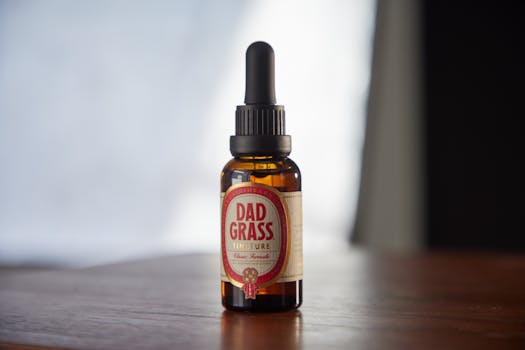
Have you ever marveled at a beautifully packaged essential oil or culinary blend, only to realize it bears a brand you’ve never encountered before? It’s a testament to the power of private labeling, a strategy that allows businesses to curate and sell products under their own name, without the monumental task of manufacturing them from scratch. But when it comes to something as nuanced as oils – be it for aromatherapy, skincare, or gourmet kitchens – simply slapping your logo on a generic product isn’t the path to success. It’s a deeper dive, a strategic dance between quality, branding, and market understanding.
The allure of private label your oils is undeniable. It promises control over your brand identity, a faster route to market, and potentially higher profit margins than simply reselling established brands. Yet, the devil, as always, is in the details. What differentiates a truly exceptional private label oil from one that quickly fades into obscurity? It’s the critical consideration of authenticity, sourcing, formulation, and the very essence of what makes your brand unique.
Is Private Labeling the Right Fit for Your Oil Venture?
Before diving headfirst into the world of private labeling, a moment of introspection is warranted. Are you looking to simply expand an existing product line, or are you building a brand from the ground up centered around oils? Understanding your core objectives will shape your entire private labeling journey. For instance, a high-end spa might seek bespoke aromatherapy blends tailored to specific treatments, while a health food store might opt for organic, single-origin olive oils. The “why” behind your decision is as crucial as the “what” you’ll be selling.
Consider this: the market is saturated. Standing out requires more than just a pretty label. It demands a product that genuinely resonates with your target audience. Are you aiming for affordability, premium quality, niche ingredients, or a specific functional benefit? These questions will guide your search for the right private label partner and the right product formulation.
Navigating the Labyrinth of Sourcing and Quality
The heart of any oil product lies in its ingredients. When you private label your oils, you’re entrusting a third-party manufacturer with this critical aspect. This is where meticulous research and due diligence become paramount. What are their sourcing practices? Do they prioritize sustainability, organic certifications, or fair trade? These aren’t just buzzwords; they are increasingly important factors for conscious consumers.
Ingredient Transparency: Can the manufacturer provide detailed information about the origin and purity of their raw materials? This is especially vital for essential oils, where adulteration can significantly impact efficacy and safety.
Quality Control Measures: What rigorous testing protocols are in place? Look for partners who can provide Certificates of Analysis (CoAs) for their products.
Ethical Considerations: Does the manufacturer adhere to ethical labor practices and environmentally responsible manufacturing?
In my experience, a partner who is transparent and proactive about their sourcing and quality control builds immediate trust. It’s this commitment to integrity that translates into a superior end product and a stronger brand reputation.
Formulation: The Art and Science of Oil Blends
For many, private labeling isn’t just about putting their name on a pre-made product; it’s about creating a unique blend. This is where the creative juices can really flow. Are you looking to craft a signature massage oil with a specific therapeutic aroma? Or perhaps a cooking oil infused with unique herbs?
When exploring options for private label your oils, inquire about custom formulation services. A good manufacturer will have experienced formulators who can help you bring your vision to life. They might suggest synergistic ingredient combinations you hadn’t considered or guide you on the optimal ratios for stability and efficacy.
Aromatherapy Blends: Consider the therapeutic properties of individual essential oils and how they might complement each other to achieve desired effects (e.g., relaxation, focus, energy).
Culinary Oils: Think about flavor profiles, cooking applications, and the overall sensory experience you want to offer. Infusing oils with spices, herbs, or even edible flowers can create truly distinctive products.
Skincare Formulations: For beauty brands, the carrier oil base, its skin-penetrating properties, and the addition of potent botanical extracts are key considerations.
It’s a fascinating journey to witness how raw ingredients can be transformed into sophisticated, marketable oils through thoughtful formulation.
Branding and Packaging: Your Visual Narrative
Once you have a high-quality oil in hand, the next crucial step is to present it to the world. This is where branding and packaging come into play, transforming a simple liquid into an extension of your brand’s identity. The aesthetic of your bottles, labels, and any accompanying materials speaks volumes before a single drop is used.
Bottle Choice: Consider the material (glass, PET), color (amber for light-sensitive oils), and shape. Does it align with your brand’s perceived value?
Label Design: This is your primary real estate. It needs to be informative, visually appealing, and clearly communicate your brand’s story. Think about font choices, color palettes, and imagery.
Marketing Collateral: Don’t forget about informational inserts, recipe cards (for culinary oils), or usage guides (for aromatherapy). These enhance the customer experience.
Many private label manufacturers offer design services, but it’s essential to have a clear vision of your brand identity beforehand. What emotions do you want to evoke? What message do you want to convey?
The Logistics of Distribution and Scalability
Finally, let’s talk about getting your private label oils into the hands of your customers. This involves understanding the logistics of distribution and planning for scalability. How will you store your inventory? What shipping methods will you use? And most importantly, can your private label partner grow with you?
Minimum Order Quantities (MOQs): Be prepared for MOQs, which can vary significantly between manufacturers. This is a crucial factor for startups or those testing the waters.
Lead Times: Understand the production and shipping lead times to manage your inventory effectively and avoid stockouts.
Third-Party Logistics (3PL): As your business grows, you might consider working with a 3PL provider to handle warehousing and fulfillment, freeing you up to focus on marketing and sales.
It’s not just about the product; it’s about the entire ecosystem that brings that product to market and sustains its presence.
Final Thoughts: Cultivating Your Oil Empire
The decision to private label your oils is a strategic one, far more intricate than simply finding a supplier. It’s an opportunity to infuse your unique brand ethos into tangible products that delight and serve your customers. It requires a blend of discerning taste, rigorous research, and a clear understanding of your market position. By approaching this venture with curiosity, a commitment to quality, and a keen eye for detail, you can cultivate not just a product line, but a thriving oil empire that stands the test of time and trends. Don’t just put your name on a bottle; create an experience that resonates.